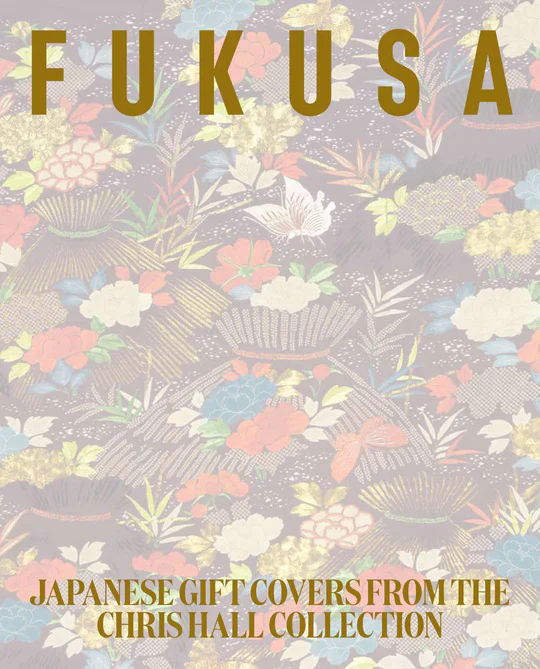
Fukusa: Japanese Gift Covers from the Chris Hall Collection
- Description
-
In Japan, the practice of formally presenting gifts with silk covers called fukusa began in the Edo period (1603–1868). These covers were draped or folded over gifts for a variety of occasions, from seasonal festivities to important personal events. Each was carefully chosen to evoke the circumstance of the gift and to convey a message to the recipient. As Japan rapidly industrialised in the Meiji era (1868–1912), fukusa became major export goods and an important symbol of national identity. Exquisitely embroidered, woven, painted, and dyed, they are some of the finest examples of Japanese textile artistry.
This publication celebrates a major gift to the Asian Civilisations Museum by renowned collector Chris Hall. It accompanies the exhibition of the same name, held at the Peranakan Museum, Singapore, from 19 April to 25 August 2024.
Original: $41.20
-65%$41.20
$14.42Product Information
Product Information
Shipping & Returns
Shipping & Returns
Description
- Description
-
In Japan, the practice of formally presenting gifts with silk covers called fukusa began in the Edo period (1603–1868). These covers were draped or folded over gifts for a variety of occasions, from seasonal festivities to important personal events. Each was carefully chosen to evoke the circumstance of the gift and to convey a message to the recipient. As Japan rapidly industrialised in the Meiji era (1868–1912), fukusa became major export goods and an important symbol of national identity. Exquisitely embroidered, woven, painted, and dyed, they are some of the finest examples of Japanese textile artistry.
This publication celebrates a major gift to the Asian Civilisations Museum by renowned collector Chris Hall. It accompanies the exhibition of the same name, held at the Peranakan Museum, Singapore, from 19 April to 25 August 2024.