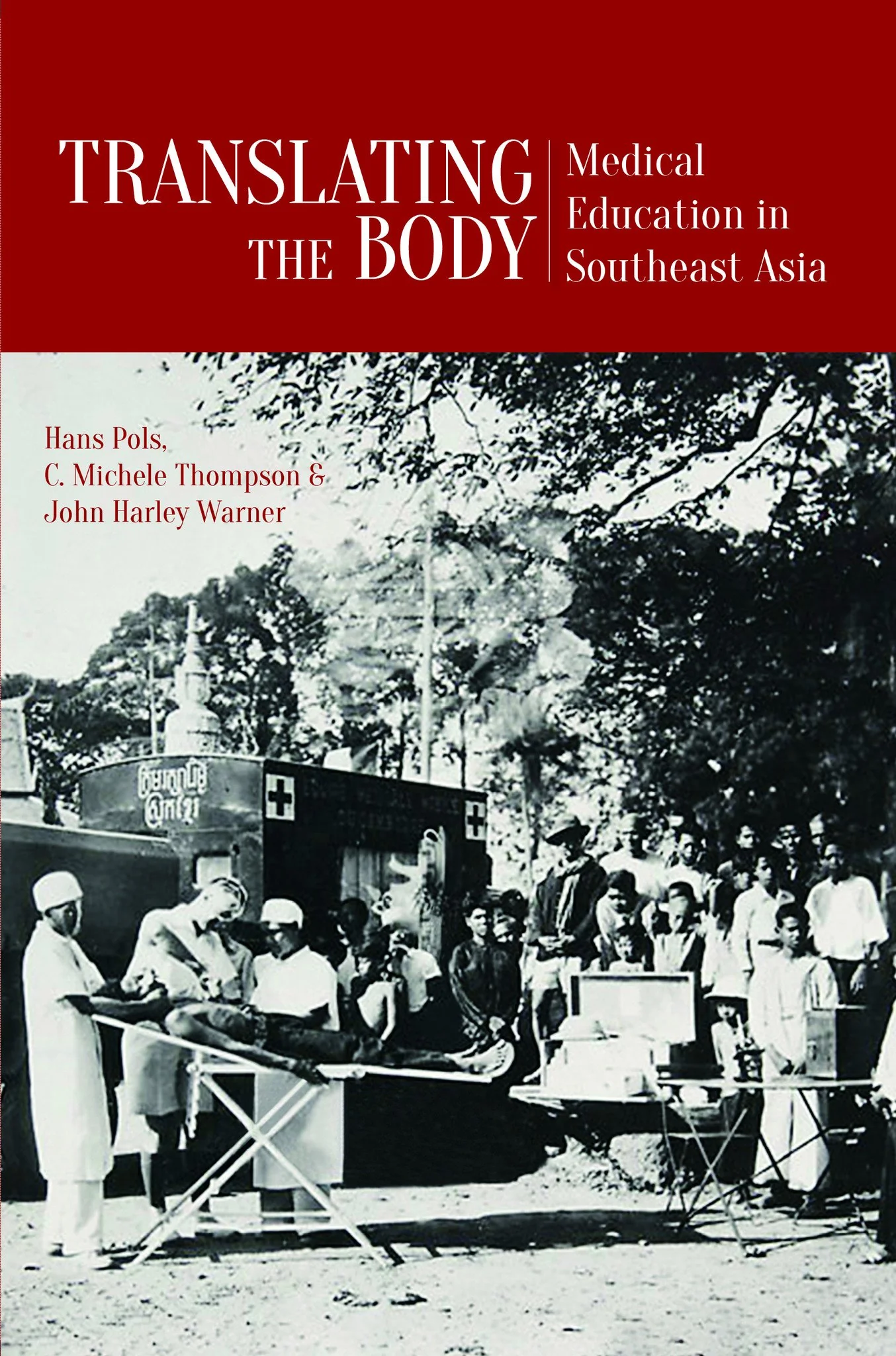
Translating the Body
- Description
- Praise
- About the Author
-
Western conceptions of the body differ significantly from indigenous knowledge and explanatory frameworks in Asia. As colonial governments assumed responsibility for health care, conceptions of the human body were translated into local languages and related to vernacular views of health, disease, and healing. The contributors to this volume chart and analyze the organization of western medical education in Southeast Asia, public health education in the region, and the response of practitioners of “traditional medicine”.
“Translating the body” is a shorthand for the formulation of medical ideas, practices, and epistemologies in contexts that require both interpretation and transmission. The process is both linguistic and cultural, and in approaching medical education, the book follows recent work in translation studies that underscores the translation not merely of words but of cultures.
-
"Translating the Body" gives us a compelling and vitally important account of how the modules of international health were assembled on the ground in colonial and decolonizing Southeast Asia. These essays advance our understanding of the links between biomedicine and colonialism, nationalism, and development."
— Warwick Anderson, author of Colonial Pathologies: American Tropical Medicine, Race, and Hygiene in the Philippines -
Hans Pols is an associate professor at the Unit for History and Philosophy of Science at the University of Sydney.
C. Michele Thompson is a professor of Southeast Asian History at Southern Connecticut State University.
John Harley Warner is the Avalon Professor of the History of Medicine at Yale University, where he is Professor of History, of History of Science and Medicine, and of American Studies, and Chair of the Section of the History of Medicine at the Yale School of Medicine.
Original: $38.00
-65%$38.00
$13.30Product Information
Product Information
Shipping & Returns
Shipping & Returns
Description
- Description
- Praise
- About the Author
-
Western conceptions of the body differ significantly from indigenous knowledge and explanatory frameworks in Asia. As colonial governments assumed responsibility for health care, conceptions of the human body were translated into local languages and related to vernacular views of health, disease, and healing. The contributors to this volume chart and analyze the organization of western medical education in Southeast Asia, public health education in the region, and the response of practitioners of “traditional medicine”.
“Translating the body” is a shorthand for the formulation of medical ideas, practices, and epistemologies in contexts that require both interpretation and transmission. The process is both linguistic and cultural, and in approaching medical education, the book follows recent work in translation studies that underscores the translation not merely of words but of cultures.
-
"Translating the Body" gives us a compelling and vitally important account of how the modules of international health were assembled on the ground in colonial and decolonizing Southeast Asia. These essays advance our understanding of the links between biomedicine and colonialism, nationalism, and development."
— Warwick Anderson, author of Colonial Pathologies: American Tropical Medicine, Race, and Hygiene in the Philippines -
Hans Pols is an associate professor at the Unit for History and Philosophy of Science at the University of Sydney.
C. Michele Thompson is a professor of Southeast Asian History at Southern Connecticut State University.
John Harley Warner is the Avalon Professor of the History of Medicine at Yale University, where he is Professor of History, of History of Science and Medicine, and of American Studies, and Chair of the Section of the History of Medicine at the Yale School of Medicine.